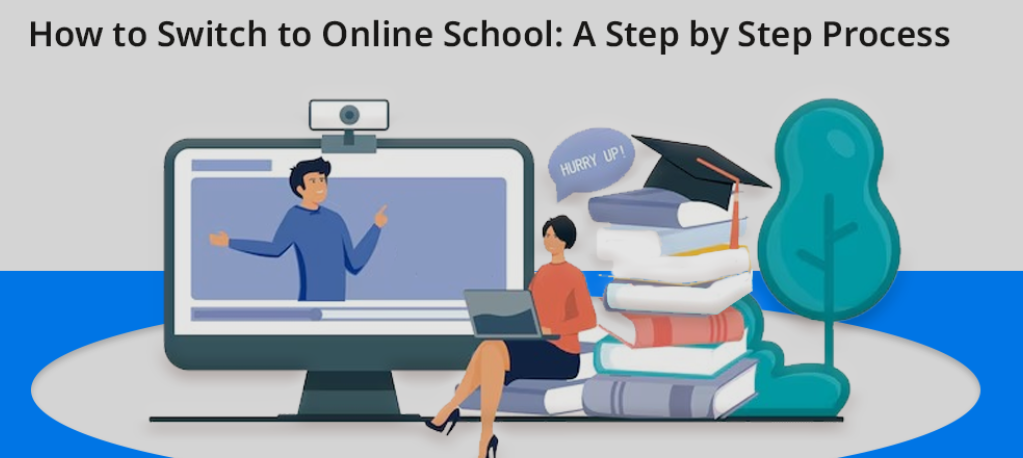
The world of education has undergone a massive transformation over the past decade. With the rapid advancement of technology and widespread internet access, learning is no longer confined to traditional classrooms. Today, anyone with a smartphone, tablet, or computer can access high-quality education from the comfort of their home. Whether you are a student, a working professional, or someone looking to develop new skills, online learning offers flexibility, convenience, and endless opportunities.
However, starting your online learning journey can feel overwhelming. With countless platforms, courses, and learning paths available, it’s easy to feel lost or unsure where to begin. This guide provides a comprehensive, step-by-step approach to help you start learning online effectively from home. By following these steps, you can build a structured, productive, and enjoyable learning experience.
Step 1: Identify Your Learning Goals
Before diving into online learning, it is essential to clearly define your goals. Ask yourself why you want to learn online. Your purpose will guide your choices and keep you motivated throughout your journey.
Types of Learning Goals
-
Academic goals: Completing school or university courses
-
Professional goals: Gaining skills for a job or promotion
-
Personal development: Learning hobbies or improving knowledge
-
Career transition: Switching to a new field
How to Set Effective Goals
Use the SMART method:
-
Specific: Clearly define what you want to learn
-
Measurable: Track your progress
-
Achievable: Set realistic expectations
-
Relevant: Align with your long-term plans
-
Time-bound: Set deadlines
For example, instead of saying “I want to learn programming,” say, “I want to learn Python basics in 3 months and build a simple project.”
Step 2: Choose the Right Learning Platform
Once your goals are clear, the next step is selecting a suitable platform. Different platforms specialize in different areas, so your choice should depend on your learning objectives.
Factors to Consider
-
Course quality and reviews
-
Instructor credibility
-
Certification availability
-
Cost (free vs paid)
-
Language and accessibility
Types of Platforms
-
MOOCs (Massive Open Online Courses): Offer structured courses from universities
-
Skill-based platforms: Focus on practical skills like coding, design, or business
-
Video platforms: Provide tutorials and lectures
-
E-learning apps: Mobile-friendly learning solutions
Start with one or two platforms to avoid confusion and gradually expand as needed.
Step 3: Set Up Your Learning Environment
A proper learning environment is crucial for focus and productivity. Studying at home comes with distractions, so creating a dedicated space helps you stay disciplined.
Tips for an Ideal Learning Space
-
Choose a quiet and comfortable area
-
Ensure good lighting
-
Use a desk and chair for proper posture
-
Keep necessary materials nearby
-
Minimize distractions (phone notifications, TV, etc.)
Even if you have limited space, try to maintain consistency by using the same spot daily for learning.
Step 4: Create a Study Schedule
One of the biggest challenges in online learning is time management. Without a structured routine, it is easy to procrastinate.
How to Build a Schedule
-
Decide how many hours you can study daily
-
Break sessions into manageable chunks (e.g., 45–60 minutes)
-
Include breaks to avoid burnout
-
Allocate time for revision
Sample Schedule
-
Morning: Watch lectures
-
Afternoon: Practice exercises
-
Evening: Review and take notes
Consistency is more important than intensity. Studying 1–2 hours daily is more effective than cramming for long hours occasionally.
Step 5: Gather Necessary Tools and Resources
Online learning requires certain tools to enhance your experience and productivity.
Essential Tools
-
Device: Laptop, tablet, or smartphone
-
Internet connection: Stable and reliable
-
Note-taking apps: Digital or physical notebooks
-
Productivity tools: Calendars, task managers
-
Headphones: For better focus during lectures
Optional Tools
-
Blue light glasses to reduce eye strain
-
External keyboard or mouse
-
Whiteboard for brainstorming
Investing in the right tools can significantly improve your learning efficiency.
Step 6: Start with Beginner-Friendly Courses
If you are new to online learning, avoid jumping into advanced topics. Start with beginner-level courses to build a strong foundation.
Why Start Small?
-
Builds confidence
-
Helps you understand learning platforms
-
Prevents frustration and burnout
Once you complete a few beginner courses, gradually move to intermediate and advanced levels.
Step 7: Develop Active Learning Habits
Passive learning (just watching videos) is not enough. To truly understand and retain information, you must engage actively with the content.
Techniques for Active Learning
-
Take detailed notes
-
Pause and reflect on key concepts
-
Ask questions
-
Participate in discussions or forums
-
Practice what you learn
For example, if you are learning coding, write your own code instead of just watching tutorials.
Step 8: Practice Consistently
Practice is the key to mastery. No matter what subject you are learning, applying your knowledge regularly is essential.
Ways to Practice
-
Solve exercises and quizzes
-
Work on projects
-
Teach others what you learned
-
Use real-life applications
Consistency in practice helps reinforce concepts and improve long-term retention.
Step 9: Stay Motivated and Disciplined
Maintaining motivation can be challenging, especially when learning alone at home.
Tips to Stay Motivated
-
Set small milestones and celebrate achievements
-
Track your progress
-
Join online communities
-
Reward yourself after completing tasks
Overcoming Procrastination
-
Break tasks into smaller steps
-
Use techniques like the Pomodoro method
-
Remove distractions during study time
Remember, motivation may come and go, but discipline keeps you moving forward.
Step 10: Connect with Other Learners
Learning does not have to be a lonely experience. Engaging with others can enhance your understanding and make the process enjoyable.
Ways to Connect
-
Join online forums and groups
-
Participate in course discussions
-
Attend webinars or virtual meetups
-
Collaborate on projects
Sharing ideas and asking questions can provide new perspectives and deeper insights.
Step 11: Take Notes Effectively
Good note-taking improves comprehension and makes revision easier.
Note-Taking Methods
-
Outline method: Organize topics hierarchically
-
Mind mapping: Visual representation of ideas
-
Cornell method: Divide notes into sections for summary and review
Tips for Better Notes
-
Use keywords and bullet points
-
Highlight important concepts
-
Review and revise regularly
Your notes should be clear, concise, and easy to revisit later.
Step 12: Test Your Knowledge Regularly
Assessment is an important part of the learning process. It helps you identify strengths and weaknesses.
Methods of Self-Assessment
-
Take quizzes and tests
-
Solve practice problems
-
Work on assignments
-
Reflect on what you’ve learned
Testing yourself ensures that you truly understand the material rather than just memorizing it.
Step 13: Build Real Projects
Applying your knowledge in real-world scenarios is one of the best ways to learn.
Benefits of Projects
-
Reinforces learning
-
Builds practical skills
-
Enhances creativity
-
Strengthens your portfolio
For example:
-
Create a website if learning web development
-
Write articles if learning writing
-
Build a business plan if studying entrepreneurship
Projects demonstrate your abilities and can be valuable for career opportunities.
Step 14: Manage Challenges and Stay Consistent
Online learning comes with its own set of challenges, such as distractions, lack of motivation, and technical issues.
Common Challenges
-
Procrastination
-
Lack of structure
-
Internet problems
-
Feeling isolated
How to Overcome Them
-
Stick to your schedule
-
Stay organized
-
Seek help when needed
-
Take breaks to avoid burnout
Consistency is the most important factor in achieving success.
Step 15: Track Your Progress
Monitoring your progress helps you stay on track and motivated.
Ways to Track Progress
-
Maintain a learning journal
-
Use apps or spreadsheets
-
Set weekly or monthly goals
-
Review completed courses
Seeing your improvement over time boosts confidence and encourages you to continue.
Step 16: Earn Certificates and Showcase Skills
Many online platforms offer certificates upon course completion. While not always necessary, they can add value to your profile.
Benefits of Certificates
-
Validate your skills
-
Enhance your resume
-
Increase job opportunities
Additionally, create a portfolio to showcase your work and achievements.
Step 17: Keep Updating Your Skills
Learning is a continuous process. Once you complete one course or skill, move on to the next.
Lifelong Learning Tips
-
Stay updated with industry trends
-
Explore new topics
-
Take advanced courses
-
Read books and articles
Continuous learning helps you stay competitive and adaptable in a rapidly changing world.
Conclusion
Starting your online learning journey from home can be one of the most rewarding decisions you make. It offers flexibility, accessibility, and the ability to learn at your own pace. However, success in online learning requires planning, discipline, and consistency.
By identifying your goals, choosing the right platform, creating a structured schedule, and actively engaging with the material, you can build a strong and effective learning routine. Remember to stay motivated, practice regularly, and connect with others to enhance your experience.
Online learning is not just about gaining knowledge—it is about transforming your mindset and unlocking new opportunities. With the right approach and dedication, you can achieve your goals and continue growing throughout your life.