Education has undergone a massive transformation in recent decades. With the rapid advancement of technology and the internet, learning is no longer confined to classrooms. Today, students have two major options: online learning and traditional education. Each method offers unique benefits and challenges, making the debate—“Which is better?”—both relevant and complex.
Online learning allows students to study from anywhere using digital platforms, while traditional education takes place in physical classrooms with face-to-face interaction. The rise of online education, especially after global events like the COVID-19 pandemic, has made it a powerful alternative to conventional schooling. However, traditional education still holds a strong position due to its structured environment and social experience.
This article explores both systems in detail, comparing their advantages, disadvantages, effectiveness, and suitability for different learners. By the end, it will become clear that the answer is not simple—because the “better” option depends on individual needs, goals, and circumstances.
What Is Online Learning?
Online learning, also known as e-learning, is a form of education delivered through the internet. It includes virtual classes, recorded lectures, digital assignments, and interactive tools such as discussion forums and video conferencing.
Students can access courses from anywhere, often at their own pace. Many online platforms offer certifications, diplomas, and even full degrees. The flexibility and accessibility of online education have made it increasingly popular among students, professionals, and lifelong learners.
One of the defining features of online learning is its adaptability. Learners can study according to their schedules, revisit lectures, and progress at their own speed. This makes it particularly suitable for working individuals or those with personal responsibilities.
What Is Traditional Education?
Traditional education refers to the conventional system of learning that takes place in schools, colleges, and universities. It involves physical classrooms, fixed schedules, direct interaction with teachers, and structured curricula.
In this system, students attend lectures, participate in classroom discussions, and engage in activities such as labs, workshops, and group projects. Traditional education emphasizes discipline, routine, and face-to-face communication.
It has been the dominant form of education for centuries and continues to play a vital role in shaping academic and social development. The structured environment helps students stay focused and provides immediate access to guidance and support.
Key Differences Between Online Learning and Traditional Education
The primary difference between online learning and traditional education lies in delivery mode. Online learning is digital and flexible, while traditional education is physical and structured.
Online learning allows students to study anytime and anywhere, removing geographical barriers. In contrast, traditional education requires students to attend classes at a specific location and time.
Another major difference is interaction. Traditional education offers direct, face-to-face communication with teachers and peers, while online learning relies on virtual communication tools.
Cost is also a significant factor. Online education is often more affordable due to the absence of commuting, accommodation, and campus-related expenses.
In terms of structure, traditional education follows a fixed schedule and curriculum, whereas online learning provides more flexibility and self-paced learning opportunities.
Advantages of Online Learning
1. Flexibility and Convenience
One of the biggest advantages of online learning is flexibility. Students can choose when and where to study, making it easier to balance education with work or personal responsibilities.
This convenience allows learners to create personalized schedules, which can lead to better time management and productivity.
2. Cost-Effectiveness
Online education is generally more affordable than traditional education. Students save money on transportation, accommodation, and campus facilities.
Additionally, many online courses are free or low-cost, making education accessible to a wider audience.
3. Accessibility
Online learning removes geographical barriers, allowing students from remote or rural areas to access quality education.
This inclusivity promotes equal opportunities for learners worldwide.
4. Wide Range of Courses
Online platforms offer a vast variety of courses, including specialized and niche subjects that may not be available locally.
Students can learn from international institutions and experts without relocating.
5. Self-Paced Learning
Online learning allows students to progress at their own pace. They can revisit lectures, pause videos, and spend more time on difficult topics.
This personalized approach improves understanding and retention.
6. Technology Integration
Online education incorporates advanced tools such as virtual labs, simulations, and AI-based assessments.
These technologies enhance engagement and prepare students for modern digital environments.
Disadvantages of Online Learning
1. Lack of Social Interaction
One of the major drawbacks of online learning is the absence of face-to-face interaction. Students may feel isolated and miss out on building relationships.
2. Requires Self-Discipline
Online learning demands strong self-motivation and discipline. Without a structured environment, students may struggle with procrastination.
3. Limited Hands-On Experience
Certain fields, such as medicine and engineering, require practical training that online platforms cannot fully provide.
4. Technical Issues
Online education depends on reliable internet and technology. Technical problems can disrupt learning and create frustration.
5. Credibility Concerns
Some online courses may lack proper accreditation, raising concerns about the value of degrees or certificates.
Advantages of Traditional Education
1. Structured Learning Environment
Traditional education provides a fixed schedule and organized curriculum, helping students stay focused and disciplined.
2. Face-to-Face Interaction
Students benefit from direct communication with teachers and peers, which enhances understanding and collaboration.
3. Hands-On Learning
Laboratories, workshops, and practical sessions provide real-world experience that is difficult to replicate online.
4. Social Development
Traditional education promotes social skills, teamwork, and networking opportunities through classroom interactions and extracurricular activities.
5. Immediate Feedback
Students can ask questions and receive instant clarification from teachers, improving learning efficiency.
Disadvantages of Traditional Education
1. Lack of Flexibility
Traditional education follows fixed schedules, making it difficult for students with jobs or personal commitments.
2. Higher Costs
Tuition fees, accommodation, transportation, and other expenses make traditional education more expensive.
3. Limited Accessibility
Students must be physically present, which can be challenging for those living far from educational institutions.
4. One-Size-Fits-All Approach
Traditional classrooms often follow a uniform pace, which may not suit all learners.
5. Time-Consuming
Commuting and fixed schedules can consume valuable time that could otherwise be used for studying or personal activities.
Effectiveness of Online vs Traditional Education
The effectiveness of each method depends on several factors, including the subject, learning style, and personal circumstances.
Online learning is highly effective for theoretical subjects and skill-based courses, especially when combined with interactive tools and personalized learning systems. Research shows that advanced online platforms can significantly improve learning outcomes through tailored feedback and adaptive learning techniques.
However, traditional education remains more effective for practical and hands-on disciplines. Fields that require laboratory work, clinical practice, or physical interaction benefit greatly from in-person learning.
Additionally, student preferences play a crucial role. Some learners thrive in independent environments, while others need structure and direct guidance.
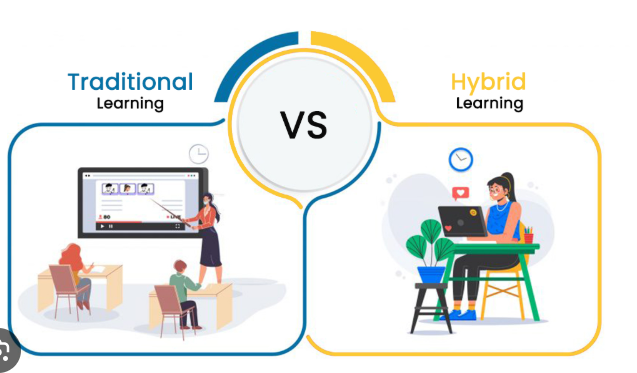
The Rise of Hybrid Learning
In recent years, a new model has emerged: hybrid learning. This approach combines online and traditional methods, offering the best of both worlds.
Students attend some classes in person while completing others online. This model provides flexibility while maintaining interaction and practical experience.
Hybrid learning is increasingly being adopted by educational institutions worldwide, as it addresses the limitations of both systems.
Which Is Better?
The question “Which is better?” does not have a universal answer. Instead, the choice depends on individual needs and goals.
Online learning is better for:
-
Working professionals
-
Self-motivated learners
-
Students seeking flexibility
-
Those with limited access to institutions
Traditional education is better for:
-
Students who prefer structured environments
-
Learners who need hands-on experience
-
Individuals who value social interaction
-
Younger students who require guidance
Ultimately, both systems have their strengths and weaknesses. The best choice is the one that aligns with the learner’s lifestyle, preferences, and career objectives.
Conclusion
Online learning and traditional education are not rivals but complementary systems. Each offers unique advantages that cater to different types of learners.
Online education provides flexibility, affordability, and accessibility, making it ideal for modern, fast-paced lifestyles. On the other hand, traditional education offers structure, social interaction, and practical experience, which are essential for holistic development.
Rather than asking which is better, it is more important to understand which method suits a particular individual. In many cases, a combination of both—through hybrid learning—may be the most effective approach.