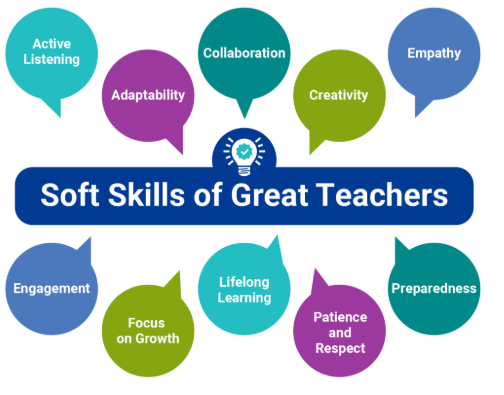
Teaching is more than just delivering lessons or explaining concepts—it is a dynamic profession that shapes minds, builds character, and influences the future. A successful teacher is not defined solely by their academic knowledge but by a combination of skills that help them engage students, manage classrooms, and inspire lifelong learning. In today’s fast-changing world, the role of a teacher has expanded significantly, requiring adaptability, emotional intelligence, and a commitment to continuous growth.
This article explores the essential skills every successful teacher should have, providing a comprehensive guide for both aspiring and experienced educators.
1. Strong Communication Skills
Communication lies at the heart of effective teaching. A teacher must be able to convey ideas clearly, whether explaining complex theories or giving simple instructions.
Verbal Communication
Teachers need to speak clearly, confidently, and at an appropriate pace. Using simple language, proper tone, and examples helps students understand better.
Non-Verbal Communication
Body language, facial expressions, and gestures also play a crucial role. A smile can encourage students, while eye contact can maintain attention and build trust.
Listening Skills
Good communication is not just about speaking—it also involves listening. Teachers must listen to students’ questions, concerns, and feedback to create a supportive environment.
2. Deep Subject Knowledge
A successful teacher must have a strong grasp of the subject they teach. This builds credibility and allows them to answer questions confidently.
Staying Updated
Subjects evolve over time, so teachers must continuously update their knowledge through reading, research, and professional development.
Simplifying Complex Concepts
Understanding a subject deeply allows teachers to break down difficult topics into simpler parts, making learning accessible to all students.
3. Classroom Management Skills
Managing a classroom effectively is essential for creating a productive learning environment.
Setting Rules and Expectations
Clear rules help maintain discipline. Students should understand what behavior is expected from them.
Handling Disruptions
Teachers must remain calm and handle disruptions without losing control. Fair and consistent discipline is key.
Time Management
Balancing lesson delivery, activities, and discussions within limited time requires strong organizational skills.
4. Adaptability and Flexibility
No two classrooms are the same. Students have different learning styles, backgrounds, and abilities.
Adjusting Teaching Methods
Teachers should be flexible in their approach, using various methods such as lectures, discussions, and hands-on activities.
Responding to Challenges
Unexpected situations—such as technical issues or student difficulties—require quick thinking and adaptability.
5. Patience and Empathy
Teaching can be challenging, especially when students struggle to understand concepts or behave disruptively.
Understanding Student Needs
Empathy allows teachers to understand students’ emotions and challenges, creating a supportive atmosphere.
Encouraging Growth
Patience helps teachers guide students without frustration, giving them the time they need to learn and improve.
6. Creativity and Innovation
Creative teaching methods make learning more engaging and enjoyable.
Interactive Lessons
Using games, group activities, and multimedia can make lessons more interesting.
Problem-Solving
Creative teachers find unique ways to explain difficult concepts and keep students motivated.
7. Critical Thinking and Problem-Solving
Teachers often face situations that require quick decision-making.
Analyzing Situations
Whether dealing with a struggling student or a classroom issue, teachers must evaluate situations carefully.
Finding Solutions
Effective teachers develop practical solutions that benefit both individual students and the entire class.
8. Emotional Intelligence
Emotional intelligence is the ability to understand and manage one’s own emotions while recognizing others’ feelings.
Building Relationships
Teachers with high emotional intelligence build strong relationships with students, creating trust and respect.
Managing Stress
Teaching can be stressful, so managing emotions effectively is crucial for maintaining professionalism.
9. Organizational Skills
A well-organized teacher can manage lessons, assignments, and student records efficiently.
Lesson Planning
Preparing structured lesson plans ensures smooth teaching and better learning outcomes.
Record Keeping
Tracking student progress helps identify strengths and areas that need improvement.
10. Technological Skills
In the digital age, technology has become an essential part of education.
Using Digital Tools
Teachers should be familiar with online platforms, presentation tools, and educational software.
Online Teaching Skills
With the rise of remote learning, teachers must adapt to virtual classrooms and engage students effectively online.
11. Leadership Skills
Teachers are leaders in the classroom, guiding students toward success.
Inspiring Students
A good teacher motivates students to achieve their best and develop confidence.
Setting an Example
Teachers should model positive behavior, professionalism, and integrity.
12. Collaboration and Teamwork
Teaching is not an isolated profession. Collaboration with colleagues, parents, and administrators is essential.
Working with Colleagues
Sharing ideas and strategies with other teachers improves overall teaching quality.
Engaging Parents
Communication with parents helps support student development both at school and at home.
13. Cultural Awareness and Inclusivity
Classrooms are often diverse, with students from different cultural and social backgrounds.
Respecting Diversity
Teachers must respect and celebrate differences, creating an inclusive environment.
Adapting Teaching Methods
Inclusive teaching ensures that all students feel valued and supported.
14. Motivation and Passion for Teaching
Passion is what drives great teachers to go beyond basic responsibilities.
Inspiring Learning
Enthusiastic teachers make learning exciting and encourage curiosity.
Commitment to Students
A dedicated teacher invests time and effort in helping students succeed.
15. Assessment and Evaluation Skills
Assessing student progress is a key part of teaching.
Designing Assessments
Teachers must create fair and effective tests, quizzes, and assignments.
Providing Feedback
Constructive feedback helps students understand their mistakes and improve.
16. Conflict Resolution Skills
Conflicts may arise between students or between students and teachers.
Handling Disputes
Teachers should resolve conflicts calmly and fairly.
Promoting Respect
Encouraging mutual respect among students reduces conflicts.
17. Lifelong Learning Attitude
Education is constantly evolving, and teachers must keep learning.
Professional Development
Attending workshops, courses, and training programs helps teachers improve their skills.
Self-Reflection
Reflecting on teaching methods and outcomes leads to continuous improvement.
18. Resilience and Stress Management
Teaching can be demanding, requiring mental and emotional strength.
Coping with Challenges
Teachers must handle workload, deadlines, and classroom issues without burnout.
Maintaining Balance
A healthy work-life balance ensures long-term success and well-being.
19. Student-Centered Approach
Successful teachers focus on students’ needs rather than just completing the syllabus.
Encouraging Participation
Interactive teaching methods involve students in the learning process.
Supporting Individual Growth
Recognizing each student’s strengths and weaknesses helps in personalized learning.
20. Ethical and Professional Behavior
Teachers are role models, and their behavior impacts students.
Maintaining Integrity
Honesty, fairness, and professionalism are essential qualities.
Respecting Boundaries
Teachers must maintain appropriate relationships with students and colleagues.
Conclusion
Becoming a successful teacher requires much more than academic knowledge. It involves a blend of communication, empathy, adaptability, and leadership skills. In today’s rapidly changing educational landscape, teachers must continuously evolve, embracing new methods and technologies while staying committed to their core mission—educating and inspiring students.
By developing these essential skills, teachers can create a positive learning environment, foster student success, and make a lasting impact on society. Whether you are just starting your teaching journey or looking to improve your practice, focusing on these skills will help you become a more effective and influential educator.