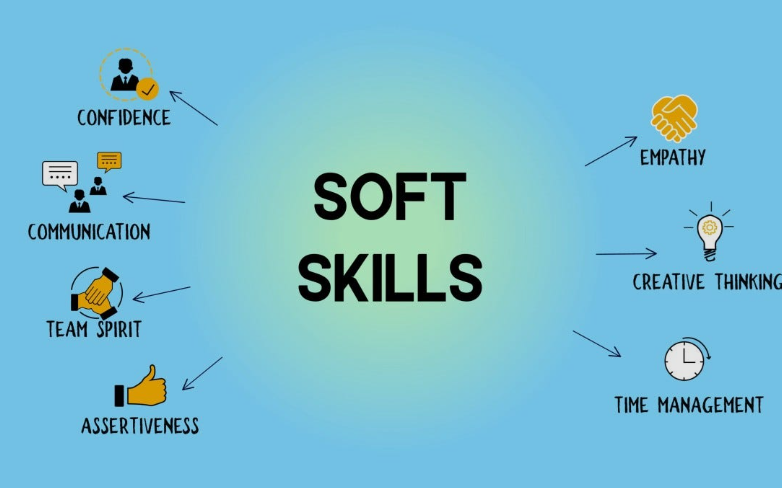
Working in a university setting is both rewarding and challenging. Universities are dynamic environments that bring together education, research, administration, and community engagement. Whether you aim to become a lecturer, researcher, administrator, or support staff member, certain skills are essential for success in this field. These skills not only help you perform your duties effectively but also enable you to grow professionally in a competitive academic environment.
This comprehensive guide explores the top skills needed for university jobs, covering academic, professional, and interpersonal competencies that are highly valued across roles.
Understanding the Nature of University Jobs
University jobs are diverse and extend far beyond teaching. They include academic roles such as professors and researchers, as well as non-academic roles like administrators, counselors, IT professionals, and librarians. Each position requires a combination of specialized knowledge and transferable skills.
The modern university is no longer limited to traditional teaching. It is a hub of innovation, digital transformation, and global collaboration. Therefore, professionals must adapt to evolving demands and continuously upgrade their skills.
Communication Skills
Importance of Clear Communication
Communication is one of the most critical skills for university jobs. Whether you are teaching students, collaborating with colleagues, or interacting with stakeholders, the ability to convey ideas clearly is essential.
Types of Communication Skills
- Verbal Communication: Delivering lectures, participating in meetings, and presenting research findings.
- Written Communication: Writing academic papers, reports, emails, and proposals.
- Non-Verbal Communication: Body language, tone, and gestures that enhance understanding.
How to Improve Communication Skills
- Practice public speaking regularly
- Engage in academic writing exercises
- Seek feedback from peers and mentors
Teaching and Instructional Skills
Effective Teaching Techniques
For academic roles, teaching skills are fundamental. A good educator must be able to explain complex concepts in a simple and engaging manner.
Key Teaching Competencies
- Curriculum planning and development
- Classroom management
- Assessment and evaluation techniques
- Use of modern teaching tools and technologies
Student-Centered Learning
Modern education emphasizes student engagement. Teachers must adapt their methods to cater to diverse learning styles and encourage active participation.
Research Skills
Role of Research in Universities
Research is a cornerstone of university work. It contributes to knowledge creation and enhances the institution’s reputation.
Essential Research Abilities
- Critical analysis and problem-solving
- Data collection and interpretation
- Academic writing and publishing
- Grant proposal writing
Staying Updated
Professionals must keep up with the latest developments in their field by reading journals, attending conferences, and collaborating with other researchers.
Time Management Skills
Managing Multiple Responsibilities
University professionals often juggle teaching, research, administrative duties, and personal commitments. Effective time management is crucial to balance these responsibilities.
Strategies for Time Management
- Prioritize tasks based on importance
- Use digital tools like calendars and task managers
- Set realistic deadlines
- Avoid procrastination
Benefits
Good time management increases productivity, reduces stress, and improves work quality.
Organizational Skills
Importance in Academic Environments
Universities involve complex systems and processes. Organizational skills help professionals manage tasks efficiently and maintain order.
Key Organizational Abilities
- File and data management
- Scheduling and planning
- Resource allocation
- Documentation and record-keeping
Digital Literacy and Technical Skills
Growing Importance of Technology
Technology plays a vital role in modern universities. From online teaching platforms to research tools, digital literacy is essential.
Key Technical Skills
- Learning Management Systems (LMS)
- Data analysis software
- Online communication tools
- Basic IT troubleshooting
Adapting to Digital Transformation
Professionals must be open to learning new technologies and integrating them into their work processes.
Critical Thinking and Problem-Solving Skills
Analytical Approach
University professionals are often required to analyze complex situations and develop effective solutions.
Applications
- Solving academic and administrative challenges
- Conducting research
- Evaluating student performance
Enhancing These Skills
- Engage in debates and discussions
- Practice case study analysis
- Encourage questioning and curiosity
Interpersonal Skills
Building Relationships
Strong interpersonal skills are essential for collaboration and teamwork within the university environment.
Key Interpersonal Traits
- Empathy
- Active listening
- Conflict resolution
- Teamwork
Importance for Students and Staff
These skills help create a positive and inclusive environment that supports learning and professional growth.
Leadership Skills
Leadership in Academic Settings
Leadership is not limited to managerial roles. Faculty members often lead research projects, committees, and academic programs.
Key Leadership Qualities
- Decision-making
- Motivation and inspiration
- Strategic thinking
- Accountability
Developing Leadership Skills
- Take initiative in projects
- Participate in leadership training programs
- Seek mentorship opportunities
Adaptability and Flexibility
Navigating Change
Universities are constantly evolving due to technological advancements, policy changes, and global trends.
Why Adaptability Matters
- Helps professionals stay relevant
- Enables quick response to challenges
- Supports innovation and growth
Ways to Improve
- Embrace lifelong learning
- Stay open to new ideas
- Develop resilience
Collaboration and Teamwork
Working in Diverse Teams
University environments are highly collaborative, involving faculty, staff, students, and external partners.
Key Aspects of Teamwork
- Sharing knowledge and resources
- Respecting diverse perspectives
- Coordinating tasks effectively
Benefits
Collaboration enhances productivity, fosters innovation, and improves outcomes.
Emotional Intelligence
Understanding Emotions
Emotional intelligence involves recognizing and managing your emotions and those of others.
Components
- Self-awareness
- Self-regulation
- Social awareness
- Relationship management
Importance in Universities
It helps in handling student concerns, managing stress, and building strong professional relationships.
Administrative and Management Skills
Beyond Teaching and Research
Many university roles involve administrative responsibilities such as managing departments, budgets, and programs.
Key Skills
- Planning and coordination
- Policy implementation
- Budget management
- Decision-making
Networking Skills
Building Professional Connections
Networking is essential for career growth in academia.
Benefits of Networking
- Collaboration opportunities
- Access to resources and funding
- Career advancement
How to Network Effectively
- Attend conferences and seminars
- Join professional organizations
- Engage on academic platforms
Creativity and Innovation
Encouraging New Ideas
Universities thrive on innovation. Creativity is essential for teaching, research, and problem-solving.
Applications
- Designing engaging lessons
- Developing research ideas
- Improving institutional processes
Cultural Awareness and Diversity Skills
Working in a Global Environment
Universities often have diverse populations of students and staff from different cultural backgrounds.
Importance
- Promotes inclusivity
- Enhances communication
- Reduces misunderstandings
Developing Cultural Awareness
- Learn about different cultures
- Respect diversity
- Promote inclusive practices
Ethical and Professional Integrity
Maintaining Standards
Ethics are fundamental in academic environments.
Key Principles
- Honesty and transparency
- Respect for intellectual property
- Fair treatment of students and colleagues
Importance
Maintaining integrity builds trust and upholds the reputation of the institution.
Project Management Skills
Handling Complex Projects
University professionals often manage research projects, events, and academic programs.
Key Elements
- Planning and scheduling
- Resource management
- Risk assessment
- Monitoring progress
Presentation Skills
Delivering Impactful Presentations
Presentations are a regular part of university work, from lectures to conferences.
Key Tips
- Structure content clearly
- Use visual aids effectively
- Engage the audience
- Practice regularly
Lifelong Learning Mindset
Continuous Development
The academic world is constantly evolving, and professionals must keep learning to stay relevant.
Ways to Foster Lifelong Learning
- Take online courses
- Attend workshops and seminars
- Read academic journals
Conclusion
University jobs require a diverse set of skills that go beyond academic qualifications. From communication and teaching to research and leadership, each skill plays a vital role in ensuring success in this dynamic environment.
As universities continue to evolve, professionals must adapt by developing both technical and soft skills. A combination of expertise, adaptability, and a commitment to lifelong learning will help individuals thrive in university careers.