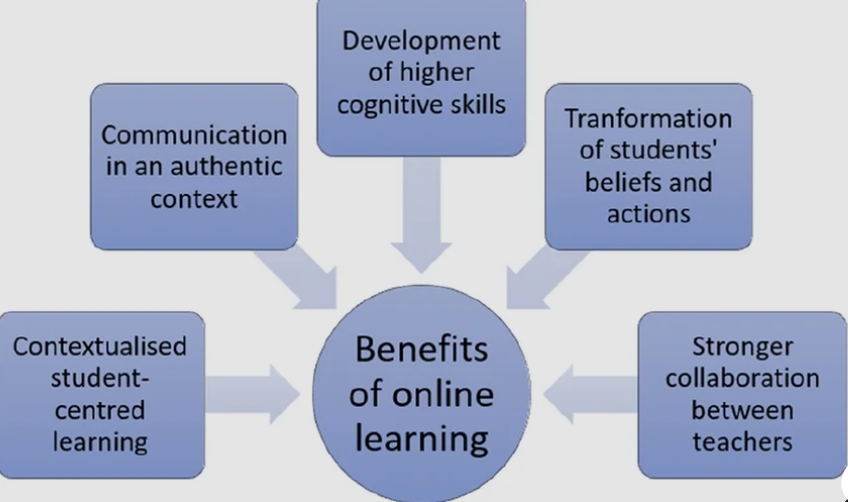
Over the past decade, online learning has transformed from a niche alternative into a mainstream mode of education. With advancements in technology, increased internet accessibility, and changing lifestyle demands, both students and professionals are embracing digital education platforms at an unprecedented rate. Whether it is a university student pursuing a degree or a working professional aiming to upskill, online learning offers a flexible, accessible, and efficient pathway to achieve educational and career goals.
This article explores the wide-ranging benefits of online learning, highlighting how it empowers individuals, enhances career opportunities, and reshapes the future of education.
Flexibility and Convenience
One of the most significant advantages of online learning is its flexibility. Unlike traditional classroom settings that require fixed schedules, online learning allows individuals to study at their own pace and time.
Students can attend lectures, complete assignments, and review materials whenever it suits them. This is particularly beneficial for:
-
Working professionals balancing job responsibilities
-
Parents managing household duties
-
Students in different time zones
The ability to learn anytime and anywhere removes the constraints of physical classrooms and rigid timetables. This flexibility leads to better time management and allows learners to design a study routine that aligns with their personal and professional commitments.
Accessibility to Education
Online learning has made education accessible to a broader audience. Individuals who may not have access to quality educational institutions due to geographic, financial, or physical limitations can now learn from top educators and institutions around the world.
Key accessibility benefits include:
-
Learning from remote or rural areas
-
Access to global courses and certifications
-
Opportunities for people with disabilities
-
Removal of commuting barriers
This democratization of education ensures that knowledge is no longer limited by location, making it easier for anyone with an internet connection to learn and grow.
Cost-Effectiveness
Traditional education often involves significant expenses, including tuition fees, transportation, accommodation, and study materials. Online learning, on the other hand, is generally more affordable.
Some cost-saving advantages include:
-
Lower tuition fees compared to on-campus programs
-
No travel or relocation expenses
-
Access to free or low-cost resources
-
Digital materials instead of expensive textbooks
For professionals seeking to enhance their skills without taking a financial burden, online learning provides an economical alternative.
Wide Range of Courses and Specializations
Online learning platforms offer a vast variety of courses across multiple disciplines. Whether someone is interested in technology, business, arts, healthcare, or personal development, there is something available for everyone.
Benefits of diverse course offerings include:
-
Opportunity to explore new fields
-
Access to niche and specialized topics
-
Ability to switch career paths
-
Continuous learning opportunities
Students and professionals can choose courses that align with their interests and career goals, enabling a more personalized learning experience.
Self-Paced Learning
Online learning allows individuals to progress at their own speed. Unlike traditional classrooms where everyone follows the same pace, online courses give learners control over how quickly or slowly they move through the material.
Advantages of self-paced learning include:
-
Better understanding of complex topics
-
Ability to revisit lessons multiple times
-
Reduced pressure and stress
-
Personalized learning experience
This approach is particularly beneficial for individuals who require more time to grasp certain concepts or prefer to accelerate their learning journey.
Skill Development and Career Advancement
For professionals, online learning is a powerful tool for career growth. It enables individuals to acquire new skills, stay updated with industry trends, and improve their employability.
Some career-related benefits include:
-
Learning in-demand skills such as programming, data analysis, and digital marketing
-
Gaining certifications that enhance resumes
-
Preparing for promotions or career transitions
-
Keeping up with evolving industry standards
Continuous learning is essential in today’s competitive job market, and online education provides a convenient way to stay relevant.
Improved Time Management Skills
Online learners often develop strong time management skills due to the need to balance studies with other responsibilities. Since there is no fixed schedule, learners must plan their time effectively.
Key improvements include:
-
Setting personal deadlines
-
Prioritizing tasks
-
Avoiding procrastination
-
Maintaining discipline
These skills are not only valuable in education but also highly beneficial in professional environments.
Enhanced Technical Skills
Engaging in online learning requires the use of various digital tools and platforms. As a result, learners naturally develop technical skills that are essential in today’s digital world.
These skills include:
-
Navigating learning management systems
-
Using video conferencing tools
-
Working with digital documents and collaboration platforms
-
Understanding online communication etiquette
Such competencies are highly valued in modern workplaces, making online learners more adaptable and tech-savvy.
Personalized Learning Experience
Online learning platforms often use advanced technologies to provide personalized experiences. Learners can tailor their education based on their preferences, goals, and learning styles.
Features that support personalization include:
-
Customized course recommendations
-
Adaptive learning paths
-
Interactive quizzes and assessments
-
Progress tracking tools
This level of personalization ensures that learners can focus on areas that need improvement and maximize their learning outcomes.
Global Networking Opportunities
Online learning connects individuals from different parts of the world. Students and professionals can interact with peers, instructors, and industry experts from diverse backgrounds.
Benefits of global networking include:
-
Exposure to different perspectives
-
Opportunities for collaboration
-
Building international connections
-
Enhancing communication skills
These connections can lead to career opportunities, partnerships, and a broader understanding of global trends.
Access to Updated and Relevant Content
Online courses are often updated more frequently than traditional textbooks. This ensures that learners receive the most current information and industry practices.
Advantages include:
-
Learning the latest technologies and tools
-
Staying updated with market trends
-
Access to real-world case studies
-
Continuous improvement of course content
For professionals, this is especially important as industries evolve rapidly and require up-to-date knowledge.
Increased Engagement Through Multimedia
Online learning utilizes various multimedia tools such as videos, animations, interactive quizzes, and simulations to enhance the learning experience.
Benefits of multimedia learning include:
-
Better understanding of complex concepts
-
Increased engagement and interest
-
Improved retention of information
-
Interactive and dynamic learning environment
This modern approach makes learning more enjoyable and effective compared to traditional methods.
Opportunity for Lifelong Learning
Online learning encourages a culture of lifelong learning. Individuals are no longer limited to formal education during their early years but can continue learning throughout their lives.
This is beneficial for:
-
Career growth and adaptability
-
Personal development
-
Exploring new hobbies and interests
-
Staying intellectually active
Lifelong learning is essential in a rapidly changing world, and online platforms make it easier than ever to pursue knowledge continuously.
Better Work-Life-Study Balance
For professionals and adult learners, maintaining a balance between work, personal life, and education can be challenging. Online learning provides the flexibility needed to manage all three effectively.
Key benefits include:
-
Studying without leaving a job
-
Spending more time with family
-
Reducing stress from commuting
-
Creating a balanced lifestyle
This balance contributes to overall well-being and productivity.
Environmentally Friendly Option
Online learning is a more sustainable and eco-friendly alternative to traditional education. It reduces the need for physical infrastructure, transportation, and printed materials.
Environmental benefits include:
-
Lower carbon footprint
-
Reduced paper usage
-
Less energy consumption
-
Decreased pollution from commuting
By choosing online learning, individuals contribute to a greener and more sustainable future.
Immediate Application of Knowledge
Professionals can immediately apply what they learn in online courses to their jobs. This practical approach enhances learning effectiveness and productivity.
Examples include:
-
Implementing new strategies at work
-
Improving job performance
-
Solving real-world problems
-
Enhancing decision-making skills
This direct application bridges the gap between theory and practice.
Increased Confidence and Independence
Online learning fosters independence and self-motivation. Learners take responsibility for their education, which builds confidence and self-discipline.
Benefits include:
-
Improved decision-making skills
-
Greater self-reliance
-
Enhanced problem-solving abilities
-
Increased motivation to achieve goals
These qualities are essential for both academic success and professional growth.
Opportunities for Career Change
Online learning makes it easier for individuals to switch careers by providing access to new fields and skills without requiring a full-time commitment.
Advantages include:
-
Learning new skills while working
-
Exploring different industries
-
Reducing risks associated with career change
-
Gaining certifications in new domains
This flexibility empowers individuals to pursue their passions and adapt to changing job markets.
Conclusion
Online learning has revolutionized the way education is delivered and consumed. Its flexibility, accessibility, affordability, and wide range of opportunities make it an ideal choice for both students and professionals. From enhancing skills and advancing careers to promoting lifelong learning and global connectivity, the benefits of online education are vast and impactful.